Software isn't dead. It just got personal.
Every few weeks someone declares that software is dead. AI writes the code now, the argument goes, so apps are a commodity, SaaS is doomed and the craft is over.
I see the opposite. Software has never been more alive. It has just moved somewhere most people aren’t looking: into personal software, apps built for an audience of one.
What I’ve been building
Over the past months I’ve built a small fleet of apps that exist only for me. Most are PWAs: they live on a server, install on my phone like any other app and skip the app stores entirely. Many of them expose an MCP connection, so Claude can read them and act on them. Some are wired to the Alexa API, so I can use them by voice.
A few examples:
A dashboard for my home. I run Home Assistant, and instead of bending to its default interface I built my own dashboard to manage the instance. It shows what I care about, hides what I don’t and works the way I think about my home.
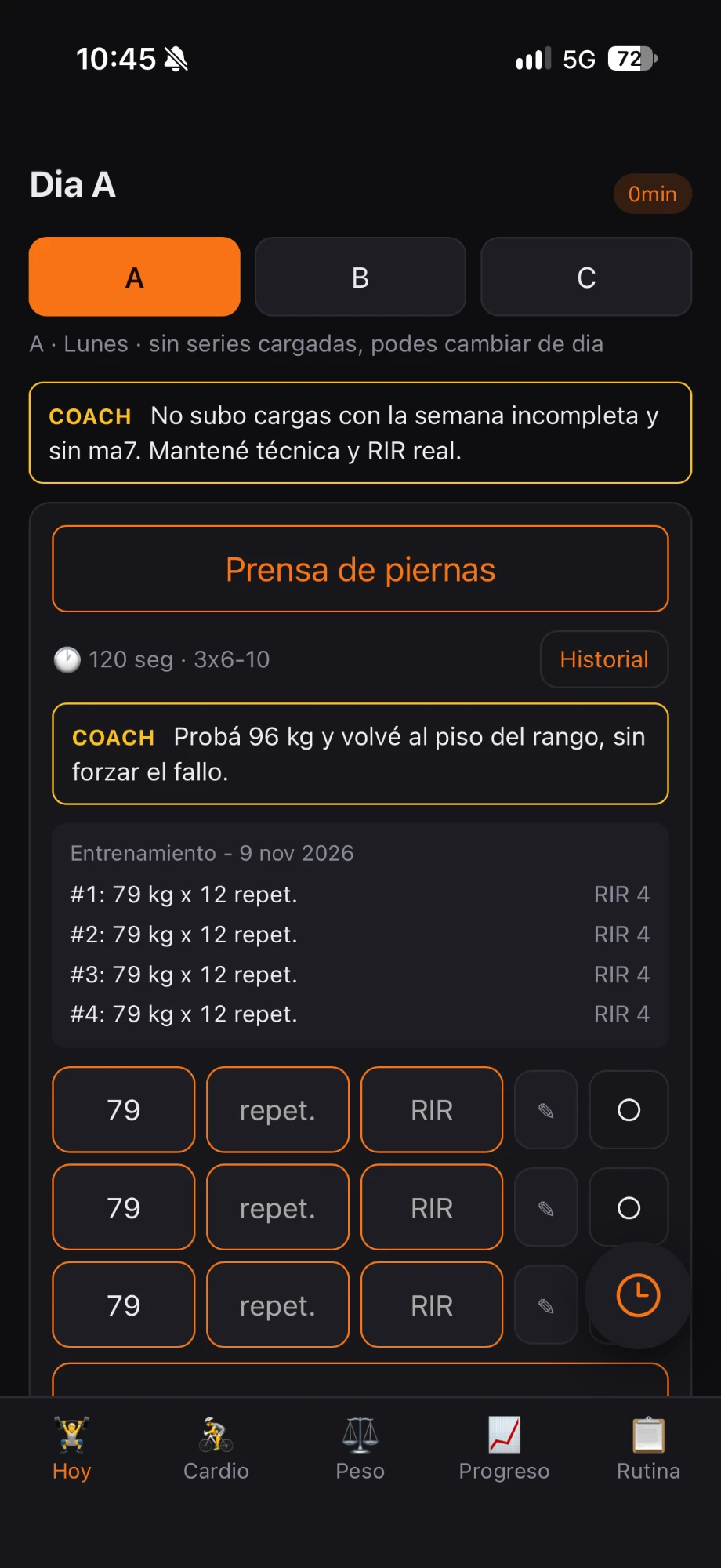
A gym tracker my AI coach can actually use. This one is a fully working app. I use it every session to log sets and reps, time my workouts and track my progress over time. It’s polished enough that I could put it on the App Store and charge for it. The twist is that the agent has full access too: it reads my sessions, leaves comments, suggests changes, adjusts weights and swaps exercises. It feels less like a logging tool and more like a training partner that knows my whole history.
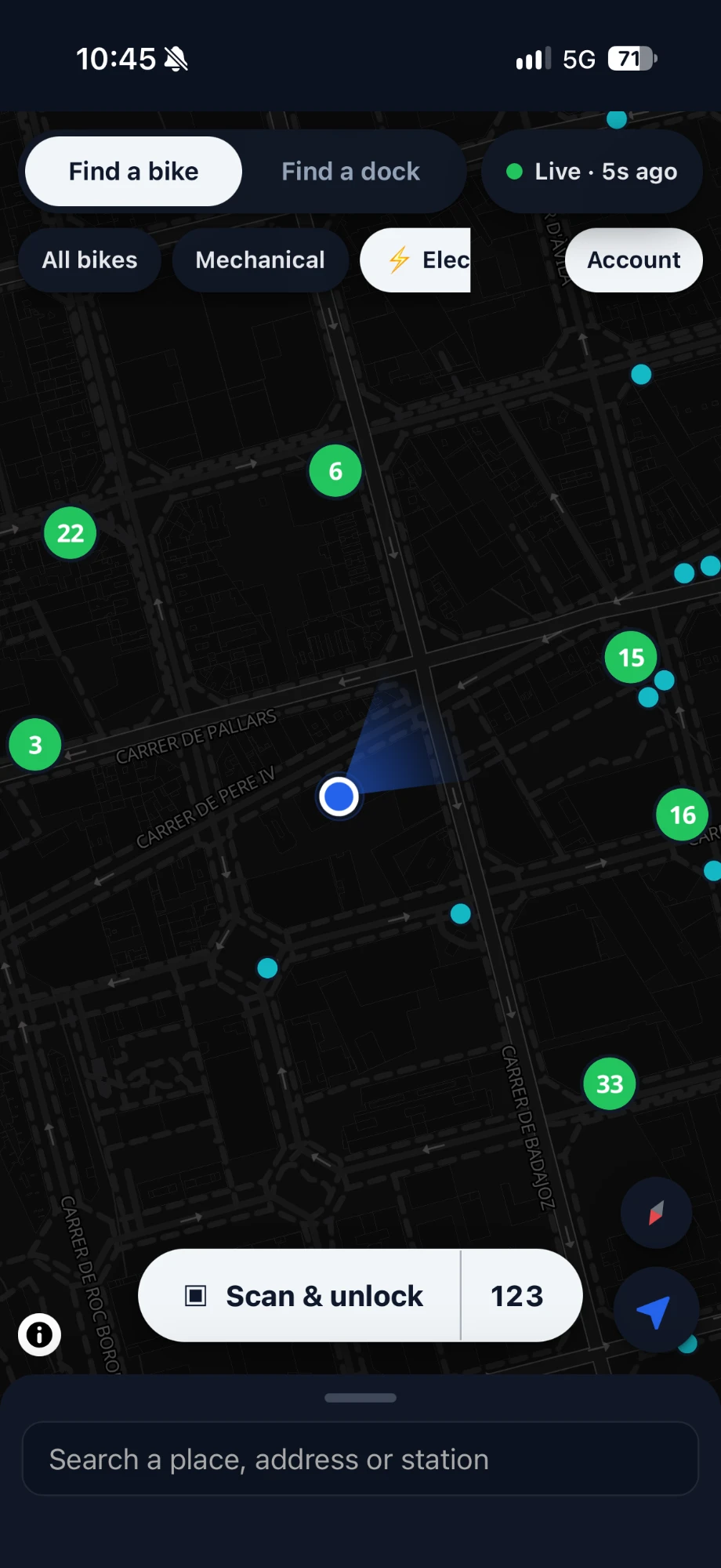
A better Bicing app. Bicing is Barcelona’s bike-sharing system, and its official app frustrates me every time I open it. So I built my own replacement, shaped around the way I actually use the bikes.
None of these were built to become a startup, not even the one I could sell. They don’t need to be.
The setup
The stack behind all of this is simple on purpose, and cheap to run:
- GitHub holds the code for every app.
- Cloudflare Pages hosts the PWA front ends.
- Cloudflare Workers handle the backend: the APIs each app calls, and the MCP connections Claude uses to work with them.
- Cloudflare D1 stores the data: workouts, settings, everything each app needs to remember.
- Claude over MCP and the Alexa API are how I (and my agent) talk to the apps without opening them.
No servers to babysit, and at personal scale the costs barely register. The hard part used to be the building. Now it’s mostly deciding what to build next.
What changed
Three things came together.
Building got cheap. With AI coding tools, the distance between “this annoys me” and “I fixed it” has shrunk from a side project to a single session. When building costs that little, an audience of one is finally enough to justify an app.
PWAs removed the gatekeepers. No app store review, no release process. I deploy, and it’s on my phone.
Agents became users. This is the part that feels truly new. With MCP, an app doesn’t only have a screen for me; it has an interface for an AI agent too. My gym tracker isn’t just a place where data sits. An agent reads it, reasons about it and writes back to it. Add voice through Alexa and I don’t even need to open the app.
Software that fits you
For decades the deal was simple: software was built for millions, and you adapted to it. You learned its menus, tolerated its quirks and waited for the feature you wanted to land on someone else’s roadmap.
Personal software flips that. The app adapts to you. It has your data model, your shortcuts, your opinions. It connects only to the services you use. And when it annoys you, you change it that same afternoon.
So what is actually dying?
Not software. What’s fading is the assumption that software only counts if it’s built for scale. Generic, one-size-fits-all apps will feel more and more like off-the-rack clothes next to something tailored.
A lot of the most interesting software being written right now will never show up on Product Hunt. It runs on someone’s phone, talks to their agent and has exactly one user.
Software isn’t dead. It just got personal.
Have you built something just for yourself? I’d love to hear what it is.